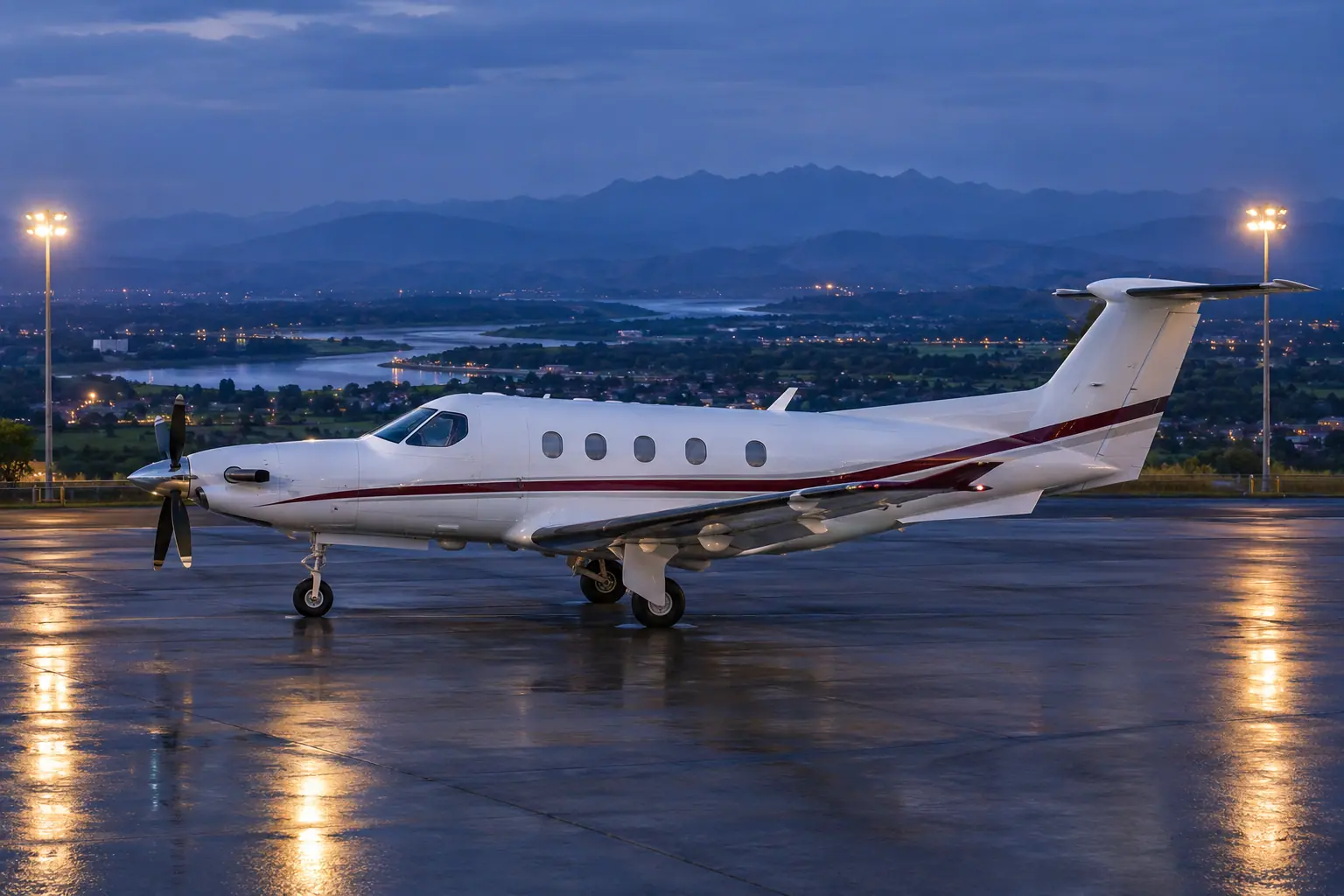
One-way private jets from Denver
One-way private jets from Denver fit travelers flying out and staying out. A light jet runs about $3,800 an hour. You pay only for the leg you actually fly.
- Home
- Denver
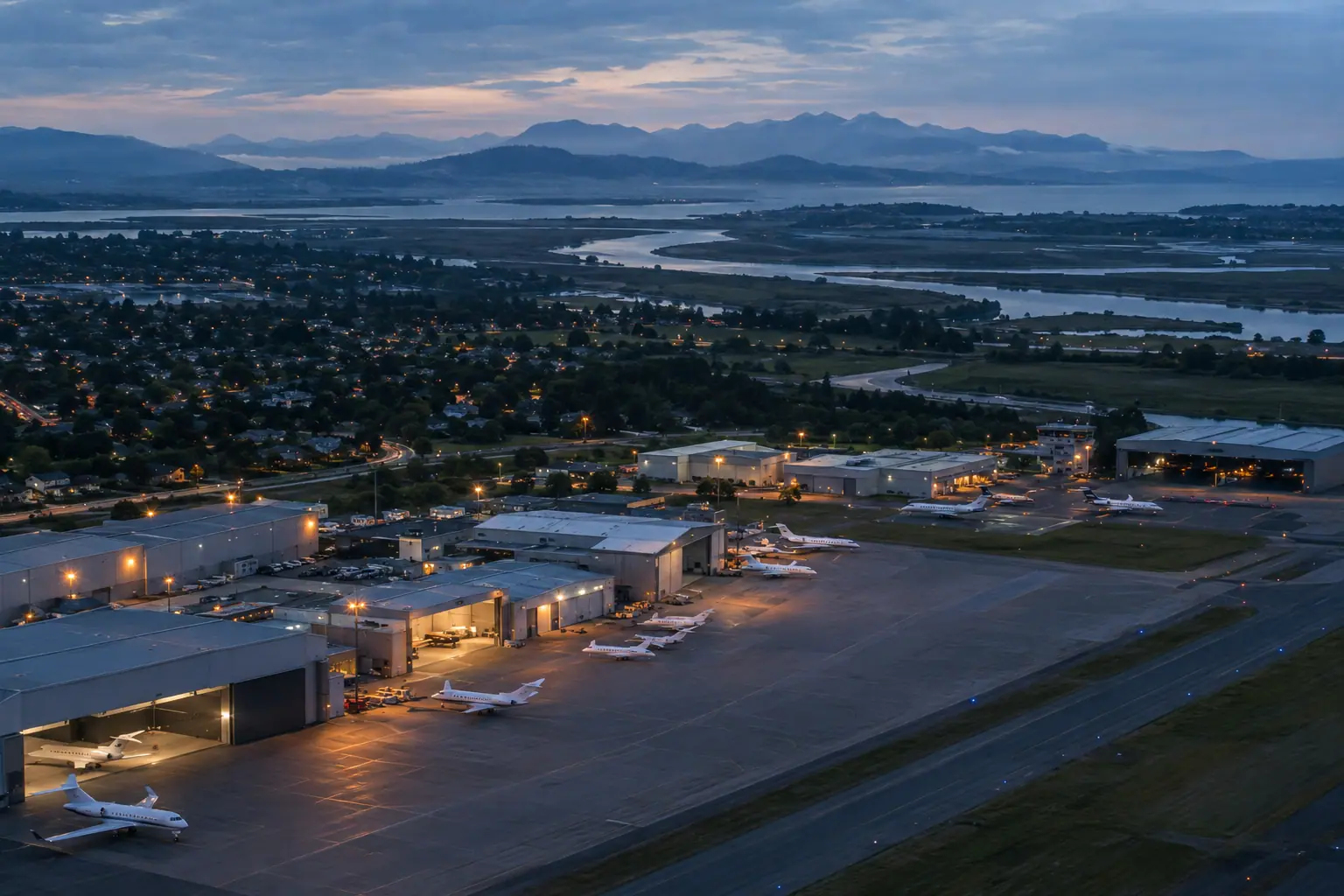
One-way private jets from Denver most often leave from Centennial Airport (KAPA), which sits at 5,885 feet with a 10,001-foot runway and a July density altitude near 9,000 feet. At 115F, density altitude climbs to about 9,600 feet, and that heat trims payload or range on smaller aircraft. A one-way midsize jet from Centennial can clear mountain terrain with a lighter cabin load in summer. The three FBOs — jetCenters of Colorado, Modern Aviation and Signature Aviation - North — handle quick turns on light and midsize aircraft.
The routes that drive one-way demand here follow where people go and do not come back from the same day. Ski country and mountain towns pull turboprops and light jets in winter. Business travel to the coasts calls for midsize and super-midsize cabins with the legs to reach either seaboard nonstop. Families relocating or heading south often ask for a heavy jet. Popular private jet routes from Denver span regional hops and transcontinental flights, and each one prices differently.
Availability and price move with the season and the aircraft. Winter storms and summer afternoon convection both hold departures at Centennial, and high density altitude at midday can push a light jet to a fuel stop the same aircraft skips at dawn. Empty legs out of Denver also appear on short notice, so a traveler with flexible dates can find a lower one-way fare. If you can move your departure to the morning, then a light jet often flies the leg without a fuel stop.
Airports serving Denver
Booking one-way private jets from Denver
Send the leg, not a round trip
Give the date, passenger count, bags and both airports. A one-way quote prices the flying you do, and the empty return is the operator's concern, not your fare.
Match the aircraft to the runway and the heat
Centennial's 5,885-foot elevation and summer density altitude favor a longer runway and a cabin that carries your group and bags. Ask what the midday departure does to range.
Compare turboprop, light and midsize quotes
Short mountain hops fit a turboprop or light jet. Coast-to-coast legs want a super-midsize or heavy cabin. Pricing runs by the hour, so the class you choose sets the fare.
Confirm the operator and the broker's role
Flights are flown by FAA Part 135 operators who hold operational control. The broker arranges the flight as an agent under DOT Part 295. Ask for the operator's name before you pay.
Flying one-way from Centennial Airport
Centennial Airport (KAPA) sits about 611 miles from the strip and lists jetCenters of Colorado, Modern Aviation and Signature Aviation - North as its FBOs, which matters to anyone comparing the field to a downtown meeting. For international legs, CBP clearance applies, and TSA rules still cover commercial passengers. Denver's mountain weather is the local wildcard: an afternoon build-up can delay a departure, so an early slot helps a one-way flight leave on schedule.
Price a flight
Choose a route, number of travelers and bags to see the matching aircraft class, flight duration and a price range.
Questions
How much do one-way private jets from Denver cost?
Plan on hourly estimates by class: a light jet about $3,800 to $5,800, a midsize about $5,200 to $7,800, and a heavy about $9,500 to $14,500. A turboprop comes in near $2,200 to $3,500 an hour. These are estimates, so ask for a written quote for your date and route.
Which airport serves one-way private jets from Denver?
Centennial Airport (KAPA) is the main field, at 5,885 feet elevation with a 10,001-foot runway. jetCenters of Colorado, Modern Aviation and Signature Aviation - North handle turns there. The runway length helps on hot days, when density altitude reaches about 9,000 feet in July and 9,600 feet at 115F.
Can a light jet leave Centennial nonstop in summer?
Often, but heat and elevation matter. July density altitude around 9,000 feet trims payload, so a full cabin on a hot afternoon may need a fuel stop. A morning departure usually restores the nonstop. If your group is small, then a light jet handles the leg well.
Are empty legs available out of Denver?
Empty legs do appear when an operator needs to reposition an aircraft to or from Denver. They can undercut a standard one-way fare, but they come with fixed dates and short notice. Ask what is open for your travel window and compare it against a firm one-way quote.
Who operates the flight and who arranges it?
The aircraft is flown by an FAA Part 135 operator that holds operational control and provides the crew. The broker arranges the trip as an agent under DOT Part 295. Ask for the operator's name before booking, and confirm CBP clearance for any international leg.
Which aircraft class fits a coast-to-coast one-way?
A super-midsize or heavy jet. Super-midsize cabins cruise near 470 knots with a typical range of 3,200 nautical miles, and heavy jets reach about 4,000. From Centennial's altitude, a longer-range cabin protects the nonstop. A midsize at 2,100 nautical miles handles regional legs more comfortably.