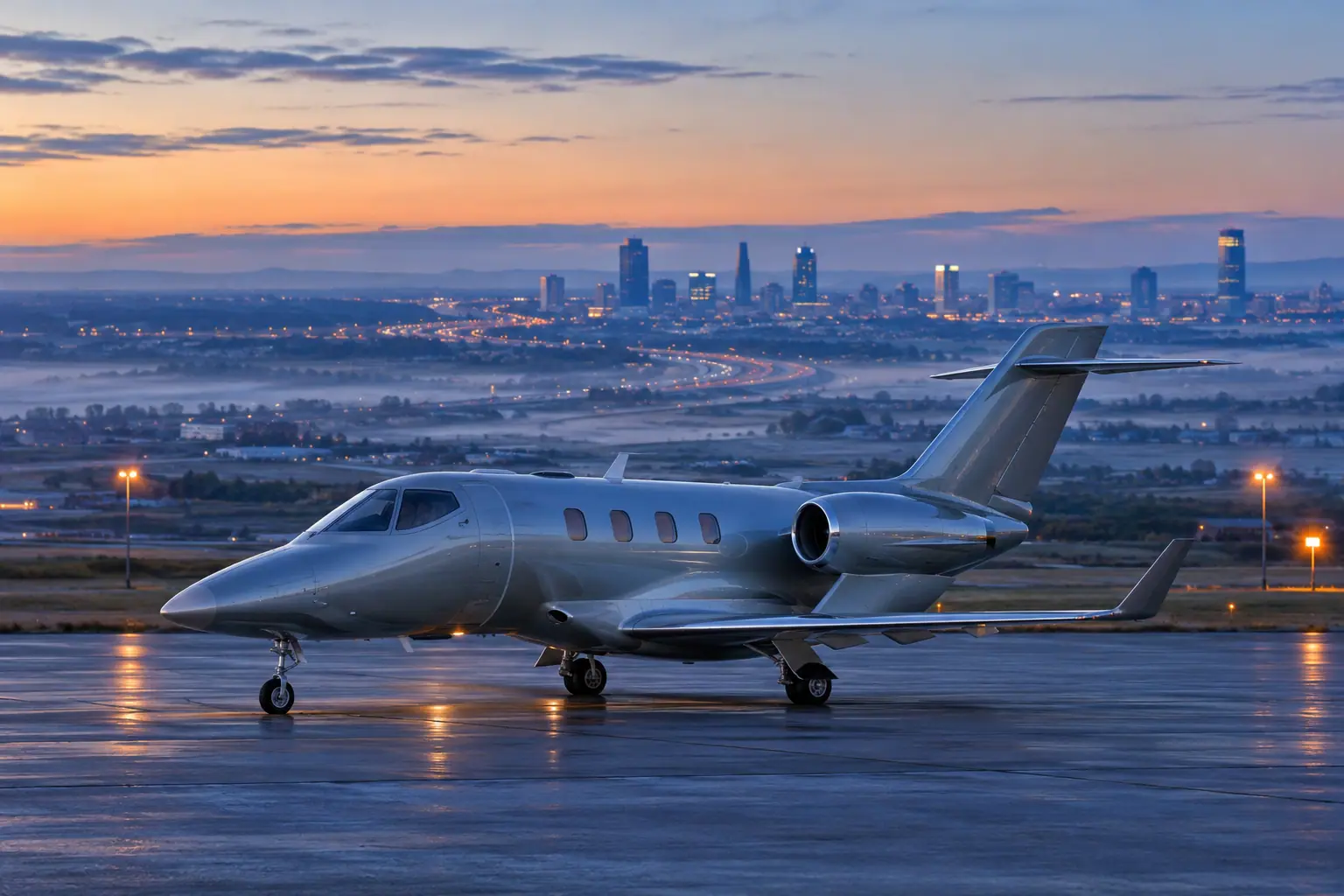
One-way private jets from Dallas
One-way private jets from Dallas suit travelers flying out without a return. Love Field sits at 487 feet with an 8,800-foot runway. A broker matches you with an operator who holds operational control.
- Home
- Dallas
One-way private jets from Dallas concentrate at Dallas Love Field, where an 8,800-foot runway and 487 feet of field elevation shape what can depart on a hot afternoon. A July density altitude near 3,000 feet at Love Field quietly trims payload on smaller jets, so a light jet that looks fine on paper may need a fuel stop or a lighter cabin load in midsummer. Peak figures reach about 3,500 feet when the mercury hits 115F, which is the kind of day when a midsize or larger airframe earns its keep.
The route mix out of Dallas splits into short hops and longer western legs. Houston is 208 nautical miles, comfortably inside turboprop and light jet range, while Las Vegas runs 925 nautical miles and rewards a midsize or super-midsize cabin. One-way pricing on the Vegas route depends heavily on whether an operator needs the jet back in Texas, and that single question moves quotes more than the aircraft type does on many days.
Availability follows the calendar as much as the map. Wet days peak at 14 in May, and summer heat arrives with average highs of 95F in July and August, so June through August bookings fill earlier and weather diversions grow more common. Booking a one-way leg from Dallas two to three weeks out usually widens the pool of aircraft compared with a same-week request, and empty-leg repositioning flights occasionally appear at a discount when an operator is moving a jet anyway.
Airports serving Dallas
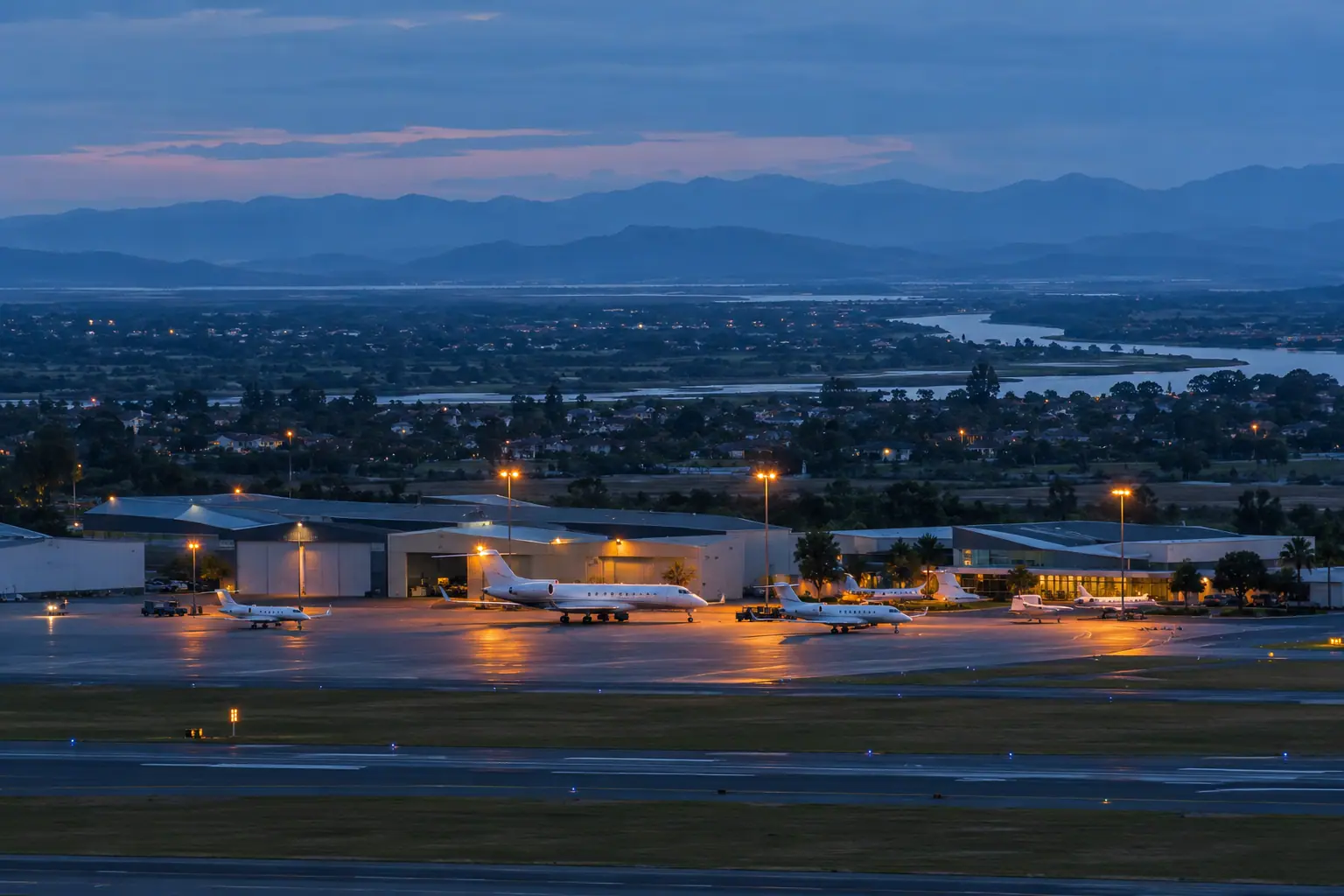
One-way private jets from Dallas
Start with your date and direction
Tell the broker the day you want to leave and where you are going, not a round trip. A one-way request from Dallas is priced as a single leg, and the operator decides whether the jet repositions afterward.
Match the cabin to the leg
Houston at 208 nautical miles works in a turboprop or light jet, while Las Vegas at 925 nautical miles favors a midsize or larger cabin. Passenger count and luggage decide the rest. If you are carrying golf clubs or ski gear on the Vegas run, then a midsize cabin keeps the load comfortable.
Check the summer conditions
Ask how density altitude at Love Field affects your chosen aircraft on the day. On a hot July afternoon the figure near 3,000 feet can limit fuel or seats in a light jet. When the forecast tops 100F, then a super-midsize or heavy jet removes the performance question entirely.
Confirm who is flying and who is arranging
The flight is flown by an operator holding FAA Part 135 authority, and the broker acts as your agent under DOT Part 295. Ask for the operator name in writing before you pay. If your leg crosses a border, then CBP clearance and passenger documents need arranging before departure.
What one-way routes from Dallas cost
Read these as estimates, not quotes. A one-way leg from Dallas to Houston runs 208 nautical miles, with light jets in the $4,000 to $6,000 range, midsize aircraft at $5,000 to $8,000, and heavy jets from $9,500 to $14,500. Las Vegas at 925 nautical miles prices higher: light jets $9,500 to $15,000, midsize $13,000 to $19,500, and heavy $22,500 to $34,500. Hourly rates of $3,800 to $5,800 for light jets and $5,200 to $7,800 for midsize set the floor on any Dallas quote. Turboprops at $2,200 to $3,500 per hour suit the shorter Texas hops. Final numbers move with the date, the aircraft, and whether the operator has to fly the jet home empty.
| Route | Light jet | Midsize | Heavy |
|---|---|---|---|
| Dallas → Houston | $4,000–$6,000 | $5,000–$8,000 | $9,500–$14,500 |
| Dallas → Las Vegas | $9,500–$15,000 | $13,000–$19,500 | $22,500–$34,500 |
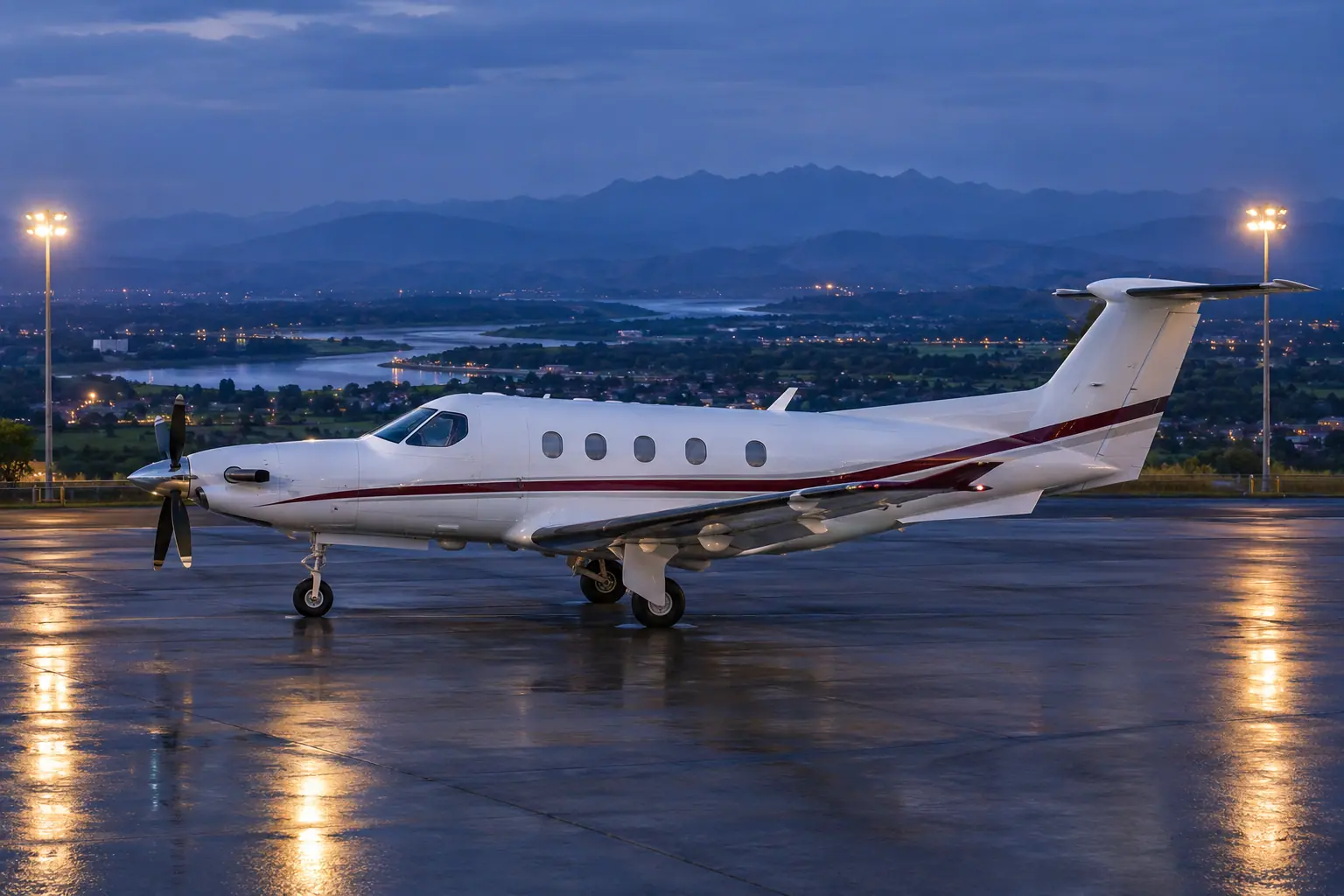
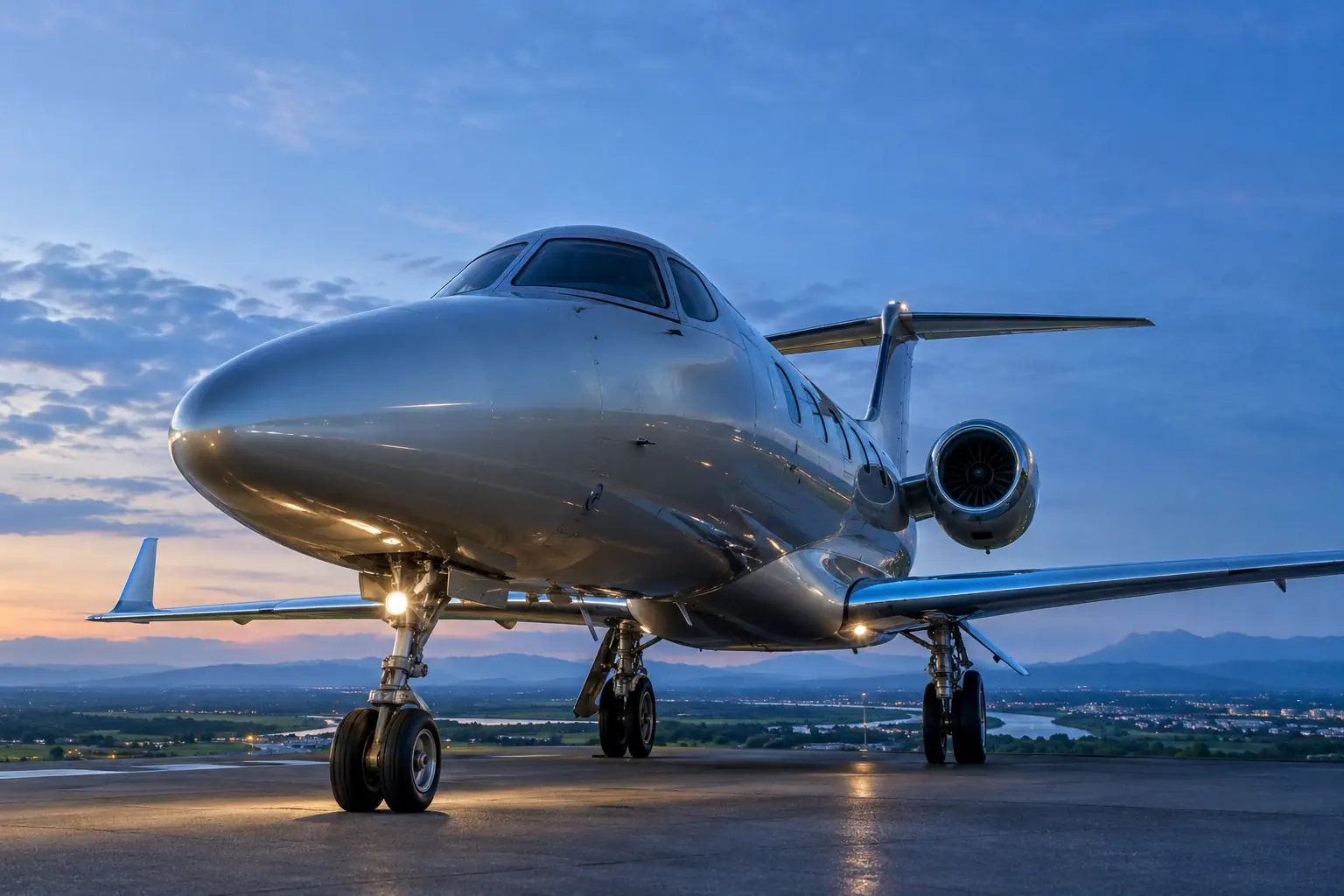
Leaving Dallas Love Field one way
Dallas Love Field sits close to downtown, which shortens the drive compared with the larger international field to the north. The airfield has four FBOs on site, and each handles its own ramp and passenger procedures, so your broker should confirm which one your flight uses. With an 8,800-foot runway at 487 feet elevation, Love Field handles every class in the fleet on a normal day. Wet days peak at 14 in May, and the summer heat pushes afternoon density altitude toward 3,000 feet or higher in July. For international one-way legs, CBP clearance and passenger documentation need arranging before departure, and TSA screening applies where the operator uses it.
| Month | Avg high | Wet days |
|---|---|---|
| Jan | 56°F | 7 |
| Feb | 60°F | 9 |
| Mar | 69°F | 10 |
| Apr | 75°F | 11 |
| May | 83°F | 14 |
| Jun | 90°F | 11 |
| Jul | 95°F | 8 |
| Aug | 95°F | 9 |
| Sep | 89°F | 8 |
| Oct | 79°F | 7 |
| Nov | 67°F | 8 |
| Dec | 60°F | 8 |
Price a flight
Choose a route, number of travelers and bags to see the matching aircraft class, flight duration and a price range.
Questions
How much does a one-way private jets from Dallas trip cost?
On the two routes we publish, a one-way Dallas to Houston leg runs about $4,000 to $6,000 in a light jet and $5,000 to $8,000 in a midsize. Dallas to Las Vegas starts near $9,500 for a light jet and reaches $34,500 for a heavy. Treat all of these as estimates that move with date, aircraft, and repositioning.
Which aircraft types fly one-way from Dallas?
Turboprops, light jets, midsize, super-midsize, and heavy jets all appear on Dallas departures. Turboprops cruise near 300 knots and light jets around 430, while midsize and larger airframes fly near 440 to 470 knots. The 208-nautical-mile hop to Houston suits the smaller classes; Las Vegas at 925 nautical miles usually calls for midsize or above.
Does summer heat at Love Field affect a one-way departure?
It can. Love Field sits at 487 feet, but July density altitude averages near 3,000 feet and peaks around 3,500 feet at 115F. Warm air thins performance, so a light jet may face a fuel or payload limit on a hot afternoon. If your party is large or the leg is long, then a midsize or heavier aircraft removes the constraint.
Can I book an empty leg out of Dallas?
Sometimes. An empty leg is a repositioning flight an operator already has to make, offered at a discount because the jet is moving anyway. Availability is irregular and usually short notice, so a one-way request that stays flexible on date and airport widens your options. Ask the broker to flag repositioning aircraft when you submit dates.
Who is responsible for the flight itself?
The operator flying you holds FAA Part 135 authority and keeps operational control of the flight, including crew and maintenance. The broker arranges the trip and acts as your agent under DOT Part 295. Ask for the operator name in writing, and confirm international documentation and CBP arrangements where a leg crosses a border.
How far ahead should I book a one-way jet from Dallas?
Two to three weeks usually gives the widest choice of aircraft and the best chance of a favorable repositioning. Same-week requests are possible but narrow the pool. May is the wettest month with 14 wet days on average, so build slack around spring departures, and book summer dates early because July and August highs reach 95F.