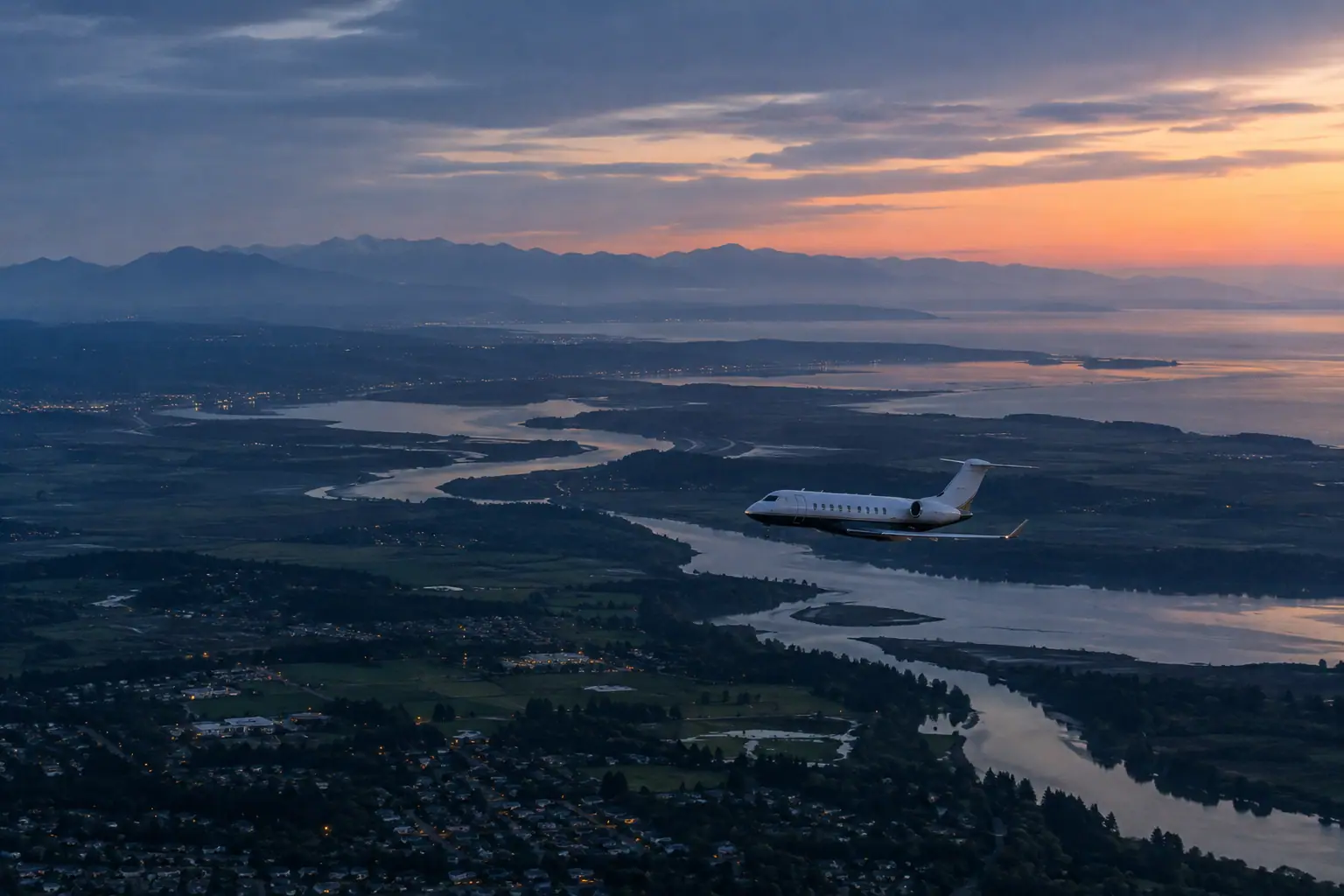
One-way private jets from Philadelphia
One-way private jets from Philadelphia book a single leg with no return. Northeast Philadelphia Airport offers 7,000 feet of runway and sits at 120 feet. Turboprop estimates begin near $2,200 per hour.
- Home
- Philadelphia
One-way private jets from Philadelphia start at Northeast Philadelphia Airport, which carries the local code PNE and the international code KPNE. The field's 7,000-foot runway handles turboprops, light jets and midsize aircraft on most domestic legs from the city's northeast section. Atlantic Aviation runs the FBO there. The airport is a reliever rather than a port of entry, so plan international arrivals through a field with CBP staffing.
Nonstop one-way legs from Philadelphia reach Florida, Chicago and the New York area on the right aircraft, and range decides the rest. A light jet with about 1,400 nautical miles of typical range covers the East Coast and the Midwest without a fuel stop. A midsize jet near 2,100 nautical miles opens the Mountain West. A heavy jet around 4,000 nautical miles reaches the West Coast with margin. On a one-way booking the operator still has to move the aircraft, so repositioning drives much of the price.
Summer changes Philadelphia departures more than any other season. July density altitude at PNE averages about 2,000 feet and peaks near 2,500 feet at 115F, which trims climb performance and can limit payload on hot afternoons. Wet days peak at 13 in July, and a schedule buffer is worth having on a one-way leg out of the Delaware Valley. If your trip is time-sensitive, then an early morning departure in summer usually gives the crew more margin on a warm runway.
Airports serving Philadelphia
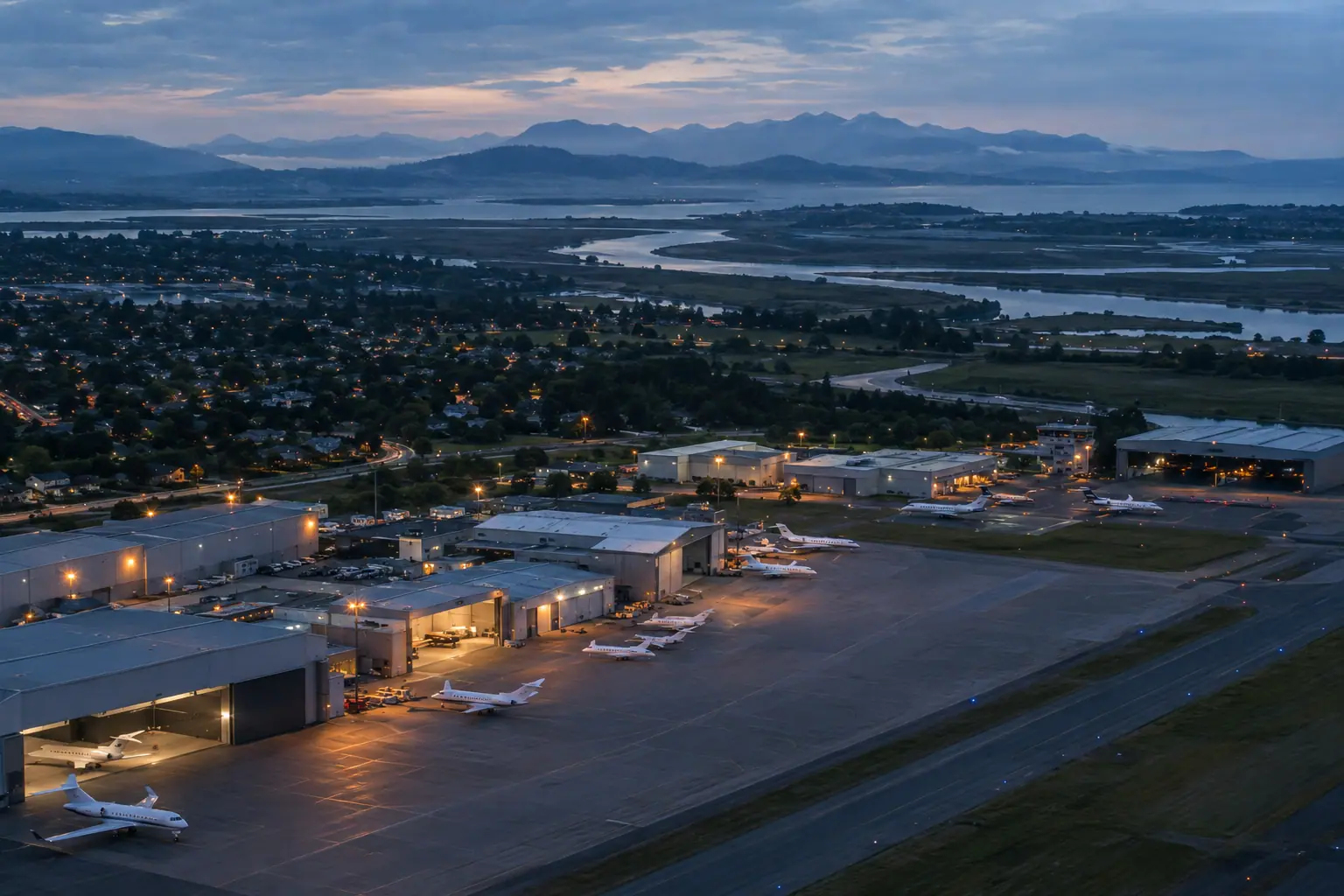
One-way private jets from Philadelphia
Call with the leg, not a round trip
Give the date, the departure airport and the destination city. Confirm you want a single leg; a broker will quote aircraft already positioned nearby rather than pricing a repositioning flight you do not need.
Choose the aircraft class against the distance
Match range to the leg, since a turboprop cruises near 300 knots and a light jet near 430 knots. A light jet carries 4 to 7 passengers. For coast-to-coast legs, a super-midsize or heavy jet keeps you nonstop.
Ask who holds operational control
The flight is flown by an operator certificated under FAA Part 135, and that operator, not the broker, holds operational control. The broker arranges the trip as an agent under DOT Part 295 rules. Ask for the operator name before you pay.
Settle documents and international details
Domestic legs need government-issued ID for each passenger under TSA screening rules at the FBO. If the leg crosses a border, then CBP clearance has to be arranged at the arrival airport, so confirm that field is a port of entry before booking.
Philadelphia details for one-way trips
Northeast Philadelphia Airport sits 2,182 miles from the West Coast strip in our reference set, so a coast-to-coast one-way is a real range decision rather than a formality. Booking a Philadelphia departure in July means planning around density altitude at PNE because warm air lengthens the takeoff roll. Temperatures by month climb from a 41F average in January to 87F in July before easing back to 46F in December. The field is not a port of entry, so international one-way flights return through an airport with CBP staffing, and the broker should build that stop into the itinerary. When the schedule is fixed and the cabin is full, then a larger aircraft or an early departure is the usual fix.
| Month | Avg high | Wet days |
|---|---|---|
| Jan | 41°F | 10 |
| Feb | 45°F | 11 |
| Mar | 52°F | 11 |
| Apr | 63°F | 12 |
| May | 73°F | 11 |
| Jun | 82°F | 11 |
| Jul | 87°F | 13 |
| Aug | 85°F | 12 |
| Sep | 78°F | 10 |
| Oct | 67°F | 9 |
| Nov | 55°F | 8 |
| Dec | 46°F | 10 |
Price a flight
Choose a route, number of travelers and bags to see the matching aircraft class, flight duration and a price range.
Questions
Which airport do one-way private jets from Philadelphia use?
Most depart from Northeast Philadelphia Airport, coded PNE and KPNE. It has a 7,000-foot longest runway, sits at 120 feet elevation, and Atlantic Aviation provides FBO service. Some travelers compare other regional fields depending on where they live and where the aircraft is based. Ask the broker which airport the quoted operator actually uses before you commit.
How much does a one-way private jet from Philadelphia cost?
Estimates start near $2,200 per hour for a turboprop and run to about $14,500 per hour for a heavy jet. A light jet falls in the $3,800 to $5,800 hourly band and a midsize between $5,200 and $7,800. These are estimates only; the operator's quote governs, and repositioning can add to the total.
Can a light jet fly nonstop from Philadelphia to the West Coast?
No. A light jet has roughly 1,400 nautical miles of typical range and cruises near 430 knots, well short of the 2,182 miles to the West Coast strip in our reference set. A super-midsize jet at about 3,200 nautical miles or a heavy jet near 4,000 nautical miles makes that leg nonstop with margin.
Does summer heat affect departures from Northeast Philadelphia Airport?
Yes. July density altitude averages about 2,000 feet and can reach roughly 2,500 feet at 115F, which reduces climb performance and can limit payload. If you are flying on a hot afternoon with a full cabin, then an early departure or a larger aircraft is the usual fix. The crew will calculate performance for the actual conditions.
Who is responsible for the flight itself?
The operating carrier is certificated under FAA Part 135 and holds operational control of the flight, including crew and maintenance. A charter broker arranges the trip as an agent under DOT Part 295 and does not own the aircraft. Ask for the operator's name and certificate before booking so you know who is flying.
What changes the price of a one-way flight most?
Aircraft position is the biggest lever. If an operator already has a jet near Philadelphia, then the one-way price drops because there is little repositioning to absorb. Distance, aircraft class, day of week, and landing fees matter too. A one-way on a busy corridor is usually better value than one to a quiet field.